- Free from €70
- Order before 22:00, delivered tomorrow
- Personal advice
- 4,9/5 — 200+ reviews
Chosen most often by other players
For a reason that has nothing to do with quality: the threshold. Setting up a big game takes ten minutes and an empty table. A card game takes thirty seconds and fits next to the plates.
In practice, that difference decides how often something gets played. A game you can still grab on a weeknight comes to the table ten times as often as the box waiting for a free Saturday. Torn between a big game and a card game? Ask yourself this first: when am I actually going to play it?
There is a second advantage, and you only notice it after a while. Teaching is quicker. There is no board full of regions, no tokens that mean something, and no turn order full of exceptions. Usually it boils down to: this is your hand, this is what you can do, this is what scores points.
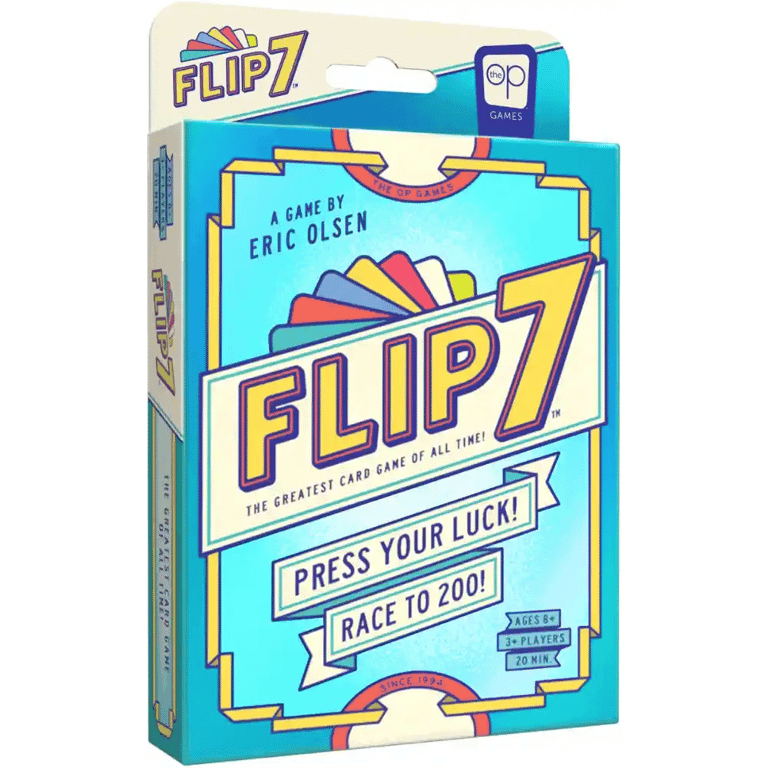
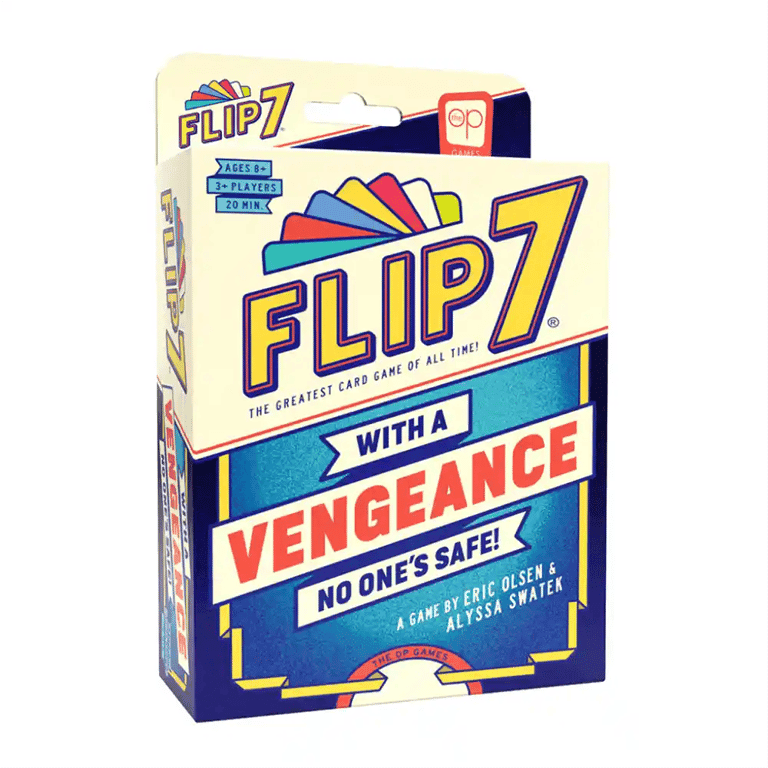
Got a big group? Then card games are almost always the right place to look. Flip 7: With a Vengeance plays with three to twelve players and revolves around one question that comes back every round: take another card or stop? Draw a number you already have and you lose everything from that round. It takes a minute to explain and everyone from age eight can join in. Please note: this edition is in English.
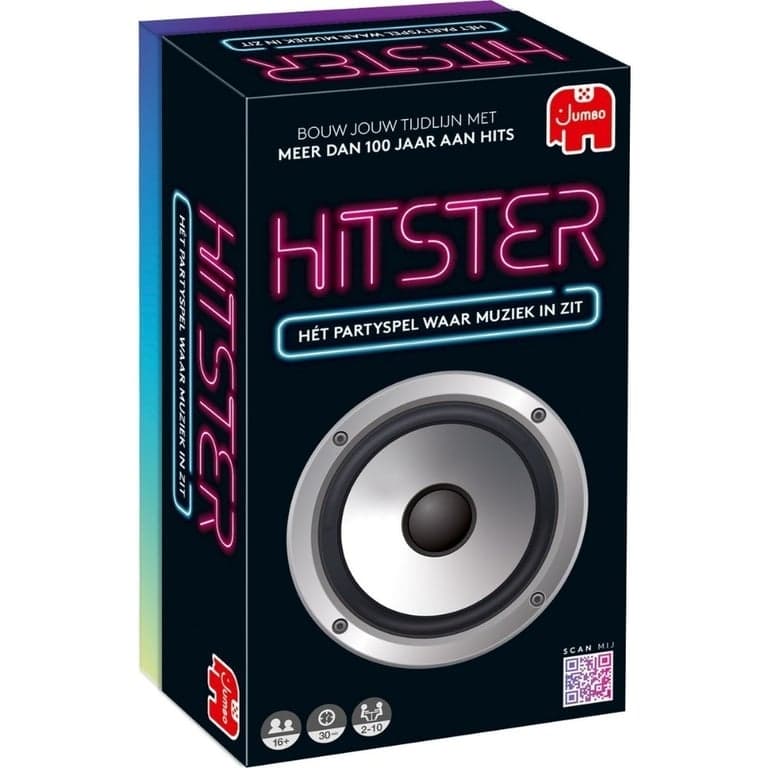
HITSTER goes in a different direction. Two to ten players, and you put songs in order of the year they came out. You do not need to know anything about games to join in, and that is exactly the point. There are separate editions, including HITSTER 100% NL with Dutch music only.
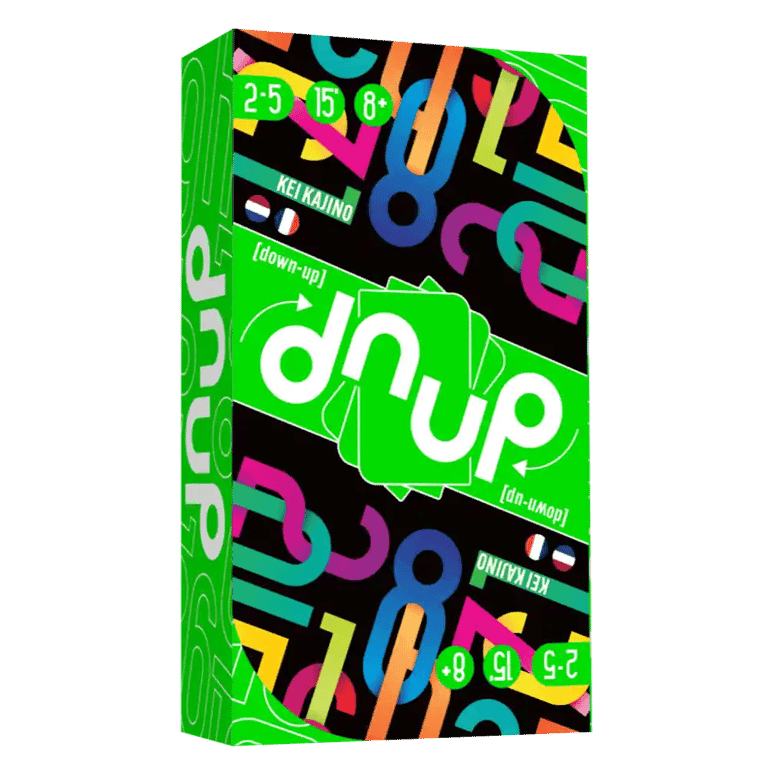
Somewhere in between sits dnup: two to five players, short, and the kind of game that is instantly followed by another round.
With a smaller group, what you are looking for changes. You want more meaningful choices, because there is less chaos to hide behind.
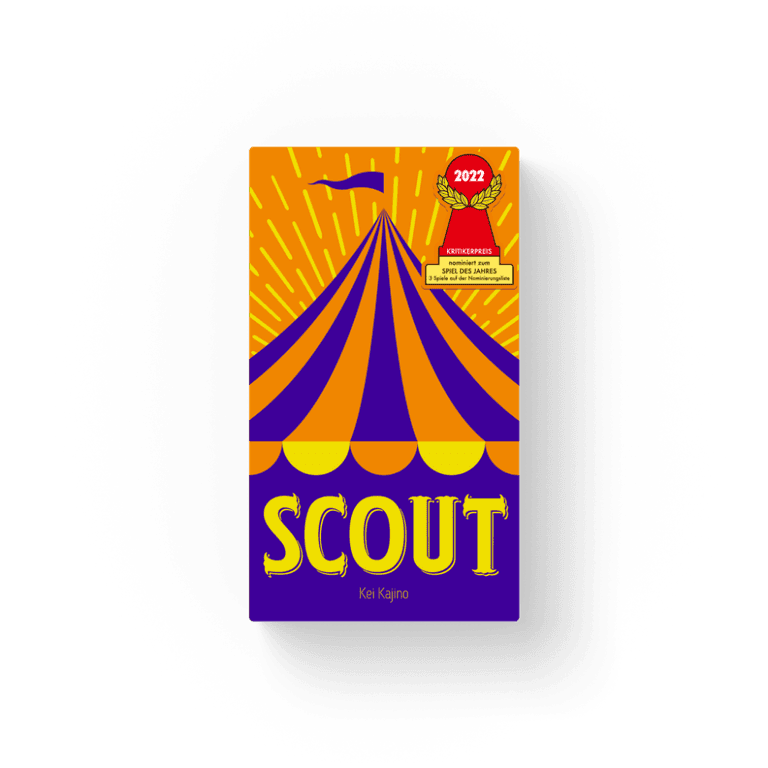
Scout is the sharpest example: two to five players, and you are not allowed to change the order of the cards in your hand. That one restriction makes the whole game. Arboretum plays with two to four and is all about planting trees while making sure your opponent cannot do the same.
With modern games, the line does not always follow what is in the box. A deck-builder consists of nothing but cards, yet plays like a strategy game that lasts all evening. The other way round, there are boxes with a board that is mainly there to lay the cards out neatly.
So we stick to a practical rule: if playing cards is central, it is here. If you mainly play on a board, with tokens, regions or a route, it is with the board games. Games that are both, and they really do exist, are grouped together under board games with cards.
What all those terms mean, from deck-builder to point salad, we explain in our overview of types of board games.
What is the difference between a card game and a board game? You play a card game with cards in your hand and on the table, without a game board. A board game has a board on which you place, move or build, and the cards are at most a helping hand. Some games sit right on that line; we list those in both categories.
What is a good card game to start with? Flip 7: With a Vengeance if you are with a group, Scout if there are two or three of you. Both are explained in a few minutes, and after one round you will get the idea.
How is it different from an ordinary deck of playing cards? A classic deck of fifty-two cards can be used for dozens of games, from Hearts to Crazy Eights. A modern card game has its own deck that only works for that one game, and that is exactly why it can do more. You will also find standard decks of playing cards here, by the way.
Are card games suitable for kids? Definitely. They are shorter, they ask for less overview, and nobody gets knocked out halfway. Which titles we recommend for which age, you can read in our kids' board games.
Can I take a card game on holiday? That is one of the genre's greatest strengths. Do keep an eye on the box size, though: some modern card games come in packaging that is quite a bit bigger than the cards justify.
✓ Next day delivery
 -12%
✓ Next day delivery
 -12%
✓ Next day delivery
 -10%
✓ Next day delivery